
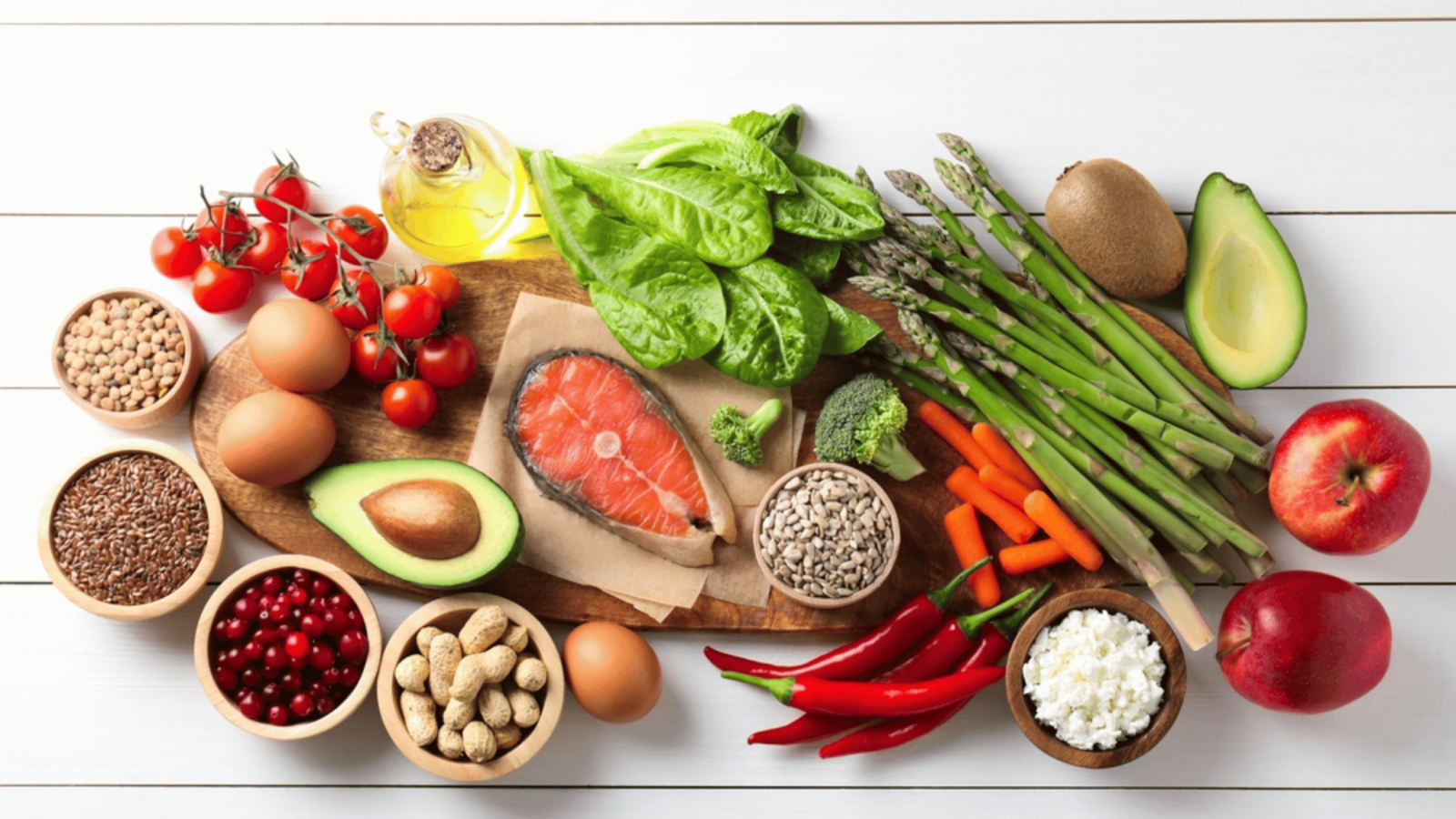
Your eyes are one of your most valuable assets, allowing you to experience the world in vivid detail. While regular eye exams and proper eye care are essential, did you know that what you eat can also play a significant role in maintaining healthy eyes? Nutrition is a powerful tool in protecting your vision and reducing the risk of eye conditions like cataracts, macular degeneration, and dry eye syndrome. In this article, we’ll explore the role of nutrition in eye health and highlight the best foods to include in your diet to keep your eyes in top condition.
How Nutrition Affects Eye Health:
The eyes, like the rest of the body, require specific nutrients to function properly. Certain vitamins, minerals, and antioxidants are particularly beneficial for eye health, helping to protect the eyes from damage caused by factors such as UV exposure, oxidative stress, and aging. Key nutrients that are essential for maintaining healthy eyes include:
-
Vitamin A: Vital for maintaining good vision, particularly in low light. It is also essential for the health of the cornea, the clear outer covering of the eye.
-
Lutein and Zeaxanthin: These antioxidants are found in high concentrations in the macula, the part of the retina responsible for sharp central vision. They help filter harmful blue light and protect against macular degeneration.
-
Vitamin C: A powerful antioxidant that helps protect the eyes from oxidative stress and plays a role in the health of blood vessels in the eyes.
-
Vitamin E: Another antioxidant that helps protect cells in the eyes from damage and may reduce the risk of cataracts.
-
Omega-3 Fatty Acids: Essential for the health of the retina and can help reduce the risk of dry eyes and macular degeneration.
-
Zinc: An important mineral that helps transport vitamin A from the liver to the retina, where it is used to produce melanin, a protective pigment in the eyes.
Foods to Include in Your Diet for Healthy Eyes:
Incorporating foods rich in these nutrients into your diet can help protect your eyes and support long-term vision health. Here are some of the best foods to include:
Leafy Green Vegetables:
- Examples: Spinach, kale, and collard greens.
- Nutrients: Rich in lutein and zeaxanthin, as well as vitamin C.
- Benefits: These greens help protect the eyes from harmful blue light and reduce the risk of age-related macular degeneration.
Carrots and Sweet Potatoes:
- Nutrients: High in beta-carotene, a precursor to vitamin A.
- Benefits: Beta-carotene supports night vision and overall eye health by maintaining the surface of the eye.
Citrus Fruits:
- Examples: Oranges, lemons, grapefruits.
- Nutrients: Packed with vitamin C.
- Benefits: Vitamin C helps prevent cataracts and supports the health of blood vessels in the eyes.
Fish:
- Examples: Salmon, mackerel, tuna.
- Nutrients: Rich in omega-3 fatty acids.
- Benefits: Omega-3s are essential for retinal health and can help reduce the risk of dry eye syndrome.
Nuts and Seeds:
- Examples: Almonds, sunflower seeds, flaxseeds.
- Nutrients: High in vitamin E and omega-3 fatty acids.
- Benefits: Vitamin E protects eye cells from damage, and omega-3s support overall eye health.
Eggs:
- Nutrients: Contain lutein, zeaxanthin, vitamin A, and zinc.
- Benefits: Eggs are an excellent source of nutrients that protect the eyes from macular degeneration and support night vision.
Red and Yellow Peppers:
- Nutrients: High in vitamin C.
- Benefits: These colorful peppers help maintain healthy blood vessels in the eyes and may reduce the risk of cataracts.
Whole Grains:
- Examples: Brown rice, quinoa, whole wheat bread.
- Nutrients: Rich in zinc and vitamin E.
- Benefits: Whole grains help reduce the risk of age-related eye diseases by providing essential nutrients that protect the eyes.
Blueberries and Other Berries:
- Nutrients: High in antioxidants, including vitamin C.
- Benefits: Berries help protect the eyes from oxidative stress and inflammation, supporting overall eye health.
Legumes:
- Examples: Lentils, chickpeas, black-eyed peas.
- Nutrients: Rich in zinc.
- Benefits: Zinc helps transport vitamin A to the eyes, supporting night vision and preventing damage to the retina.
Tips for Maintaining Eye Health Through Diet:
- Eat a Variety of Colors: A colorful plate often means a wide range of nutrients. Aim to include different fruits and vegetables in your diet to cover all the essential nutrients for eye health.
- Stay Hydrated: Proper hydration is essential for maintaining the moisture balance in your eyes, preventing dryness and irritation.
- Limit Processed Foods: Processed foods can be high in unhealthy fats, sodium, and sugars, which can negatively affect your overall health, including your eyes.
Conclusion:
Good nutrition is not just about keeping your body healthy—it plays a crucial role in maintaining your vision as well. By incorporating these eye-friendly foods into your diet, you can help protect your eyes from common conditions and keep your vision sharp as you age. Remember, regular eye exams are still essential for catching any potential issues early. If you’re due for an eye check-up or have any concerns about your vision, don’t hesitate—book an appointment with us today to ensure your eyes stay healthy for years to come.